
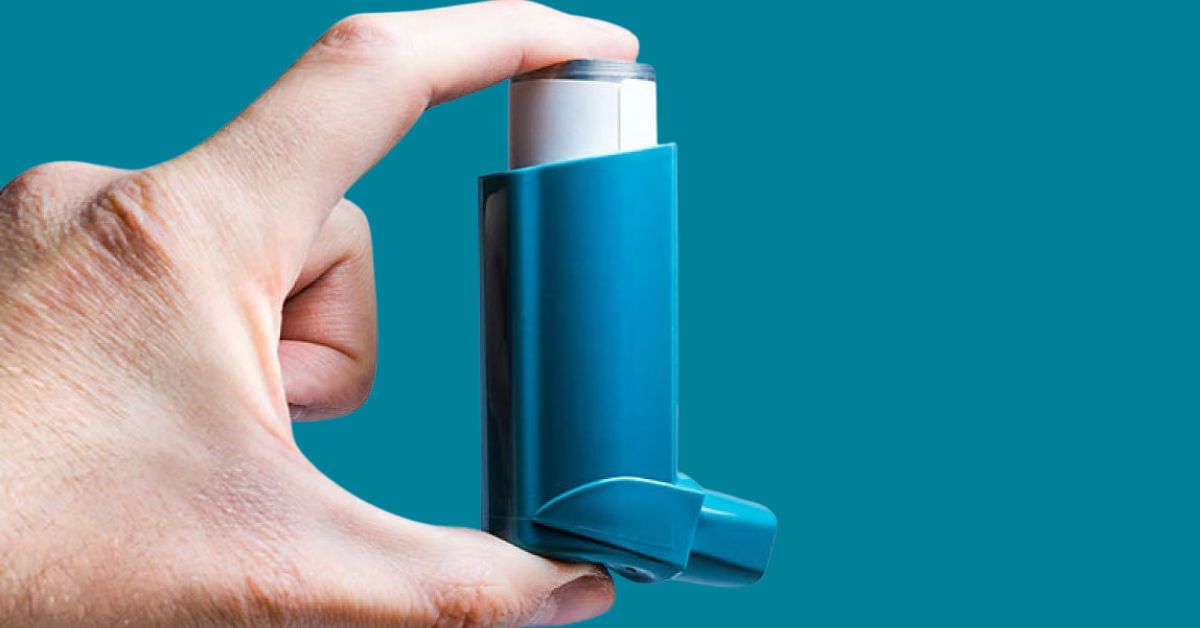
Imagine feeling breathless and reaching for a rescue inhaler that could bring instant relief. For many, this scenario is a part of daily life, highlighting the importance of knowing about these vital tools.
Rescue inhalers come in several varieties, each designed for unique situations and health concerns. By exploring their types, uses, and possible side effects, you can ensure you’re prepared for any breathing challenge that comes your way.
What Do Rescue Inhalers Do?
A rescue inhaler is a lifesaving tool for those with asthma, as it helps expand the airways during an attack. It works by delivering bronchodilators, which are medications that relax and dilate the bronchioles, making it easier to breathe.
When faced with sudden tightness or wheezing, a few puffs from this inhaler can provide almost immediate relief, opening up the airways and allowing for better airflow.
What Are Rescue Inhalers, And Why Are They Used?
Rescue inhalers, often referred to as “emergency inhalers,” are lifesavers for many individuals experiencing asthma attacks or sudden breathing issues. These small, portable devices deliver quick-relief medication that opens up the airways, easing symptoms like coughing, wheezing, and shortness of breath.
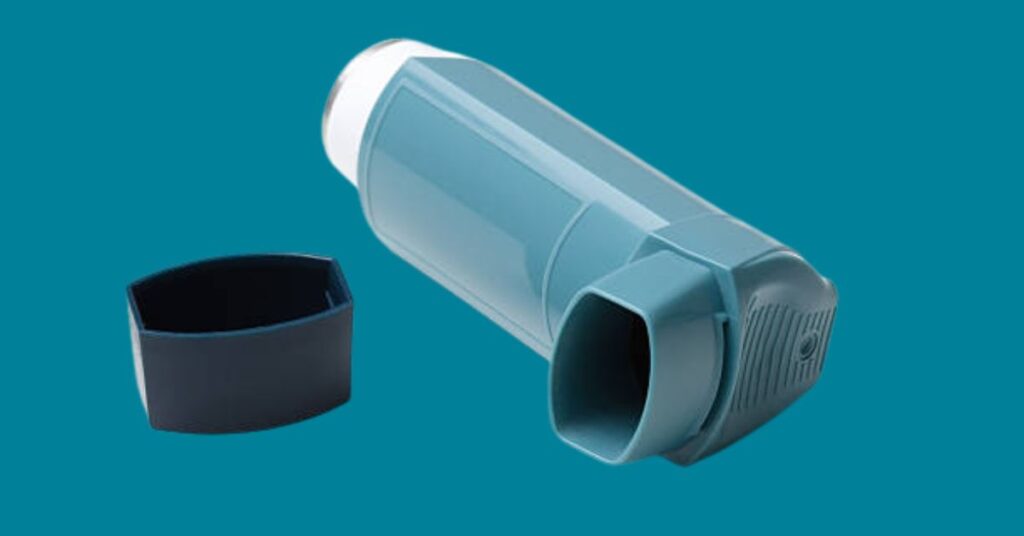
By relaxing the muscles around the airways, these inhalers allow for easier airflow, making it easier for the user to breathe normally again. It’s essential for people with asthma to keep their rescue inhalers handy, as they can prevent further complications during an attack.
In addition to those with asthma, individuals with chronic obstructive pulmonary disease (COPD) can also find rescue inhalers beneficial. When COPD symptoms flare up, these inhalers provide rapid relief, helping users manage their condition more effectively.
How Rescue Inhalers Work
Rescue inhalers are a vital lifeline for those experiencing an asthma attack. When the medication from the inhaler is inhaled, it works swiftly to relax the muscles around the airways, allowing them to widen.
This immediate effect reduces breathing difficulties and helps the individual regain control. The bronchodilator also plays a significant role in breaking down mucus buildup, further enhancing airflow and easing breathing.
There are three main types of bronchodilators:
- Beta-agonists.
- Anticholinergics.
- Theophylline.
Each type operates differently, but they all share the goal of making breathing easier. While inhalation is the most effective way to deliver these medications, they are also available in forms like
- Tablets.
- Liquids.
- Injections.
Relying on an inhaler remains crucial during acute episodes, as it delivers medication directly to the lungs where it’s needed most.
Short- vs. long-acting rescue inhalers
Short-acting rescue inhalers contain bronchodilators designed for rapid relief, making them essential for those experiencing sudden asthma symptoms. They work within minutes, offering quick comfort that lasts for about 4 to 6 hours.
Long-acting bronchodilators are not intended for immediate relief but rather for daily management of asthma. These medications, such as budesonide and formoterol, play a crucial role in keeping symptoms at bay over the long term, allowing individuals to lead more active lives without constant worry over flare-ups.
Rescue Inhaler Side Effects
Using a rescue inhaler can be lifesaving for those with asthma or other respiratory issues, but it’s important to be aware of potential side effects.
Common reactions may include feelings of shakiness or anxiety, a racing heart, and even hyperactivity as your body adjusts to the medication. While these effects can be unsettling, they usually subside shortly after the inhaler is used.
Rarely, some individuals might experience an upset stomach or difficulty sleeping, which can be concerning for anyone trying to manage their symptoms during the day and night.
How To Use Rescue Inhalers
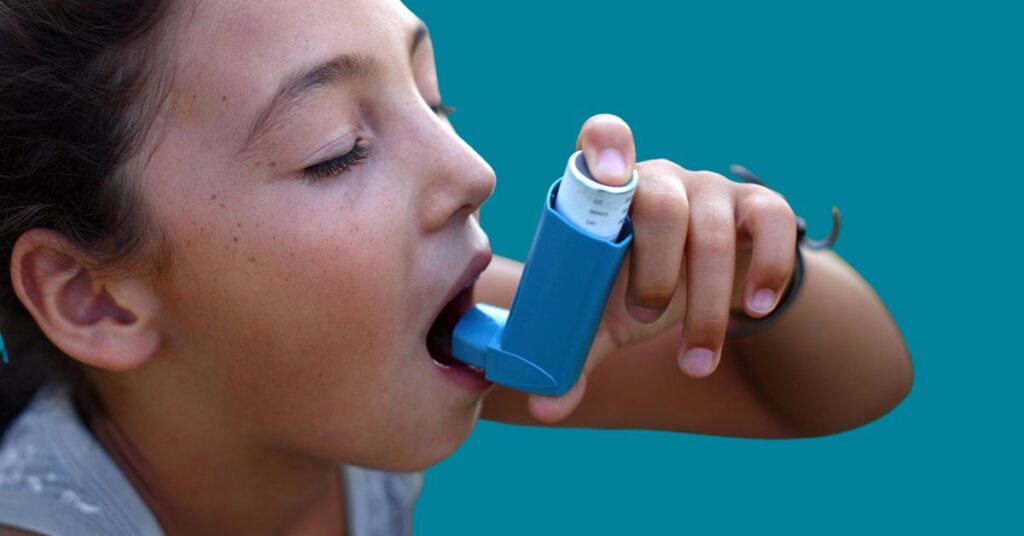
Having a rescue inhaler on hand is a must for anyone diagnosed with asthma. Common symptoms of an asthma attack include coughing, wheezing, trouble breathing, and a tight chest. When any of these signs appear, grab your inhaler and use it right away.
This quick action can help reduce the severity of the attack, giving you a better chance of managing your breathing.
As you prepare to use your inhaler, remember to stay calm. Anxiety can tighten your chest even more, making it harder to breathe. With each puff, the medication works swiftly to open your airways, which usually leads to noticeable relief in just 15 to 20 minutes.
If symptoms persist after using the inhaler, don’t hesitate to seek medical help, as this could indicate a more serious issue.
You Can Also See: Best OTC Cold Flu Medicines for Fast Relief
Managing Asthma
If someone finds themselves reaching for their rescue inhaler more than twice a week, it might indicate that their asthma isn’t under control. This frequent need for emergency relief can point to underlying issues that require attention.
Speaking with a doctor about long-term management options, such as daily medications or lifestyle adjustments, can significantly improve overall well-being. Following a tailored management plan not only lowers the odds of an asthma attack but can also lead to fewer symptoms and a more active lifestyle.
When To See A Doctor
If a rescue inhaler fails to ease asthma symptoms, it’s crucial to seek emergency help right away. Signs of worsening asthma can include rapid breathing, where you might notice the skin pulling in around the ribs, and flaring nostrils.
These signals indicate that your body is struggling to get enough air, and delaying treatment may lead to serious complications.
Pay attention if the chest remains expanded upon exhaling or if the face, fingernails, or lips start to take on a blue tint. These are critical indicators that your body might not be getting the oxygen it needs.
Conclusion
Rescue inhalers are essential tools for managing respiratory conditions like asthma. They come in different types, each designed to provide quick relief during an asthma attack. While they are generally safe, it’s important to be aware of potential side effects that may occur with their use.
Always consult with your healthcare provider to choose the right inhaler for your needs. Remember, understanding your rescue inhaler can make a significant difference in your health, so don’t hesitate to reach out for help if you’re unsure.
FAQs
How often can I use my rescue inhaler?
You should follow your doctor’s advice, but generally, it can be used every 4 to 6 hours as needed. If you find you’re using it often, talk to your doctor.
Can I use a rescue inhaler if I don’t have asthma?
It’s best to use a rescue inhaler only if prescribed by a doctor. Using it without a reason can lead to side effects and other issues.
What should I do if my rescue inhaler isn’t working?
If your inhaler isn’t helping and you’re still having trouble breathing, seek medical help right away.